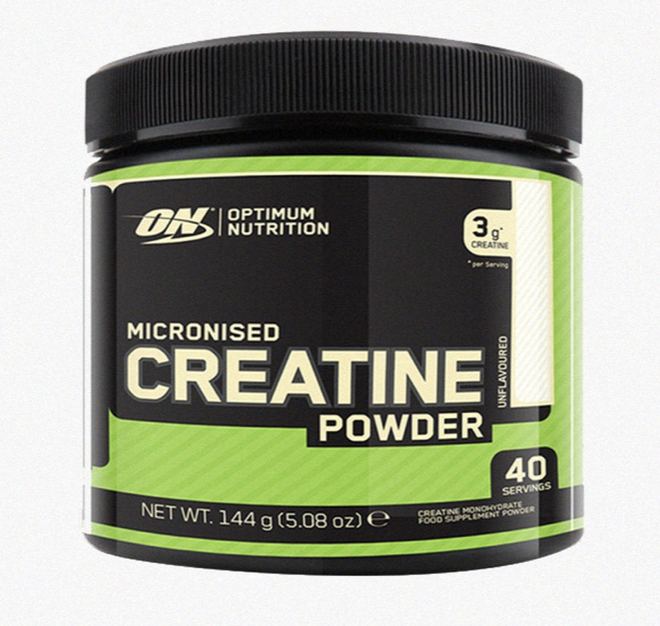
When it comes to the whole “magic pill” aspect of workout supplements, creatine is about as close as it gets without being a load of bullshit.
Creatine is a naturally occurring nitrogenous organic acid that occurs in all of us. In its synthesized form, creatine is a performance-enhancing substance that helps boost the production of adenosine triphosphate (ATP), which helps in muscle repair and growth under stress.
Essentially, creatine gives bursts of energy and helps with muscle repair during your workout, to help you run a little faster, put up one or two more reps, and push your muscles to perform their best.
People have conducted literally hundreds of clinical studies on the stuff, and while results definitely vary from person to person and study to study, the facts are clear: this stuff works.
It comes in a lot of forms; powder, liquid, solids, etc. It’s also found in smaller doses in things like meat, fish, and eggs, but it’s obviously better and more useful in a concentrated powder.
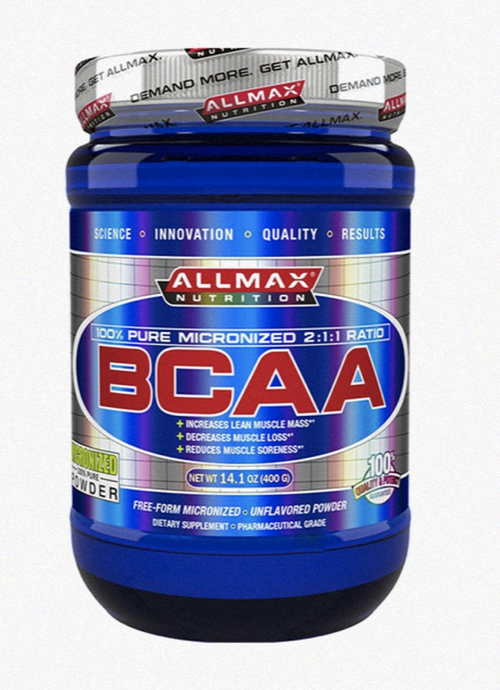
BCAAs are awesome because they don’t just help you during your workout, but also after. In fact, they shine brightest in the post-workout stages.
BCAAs are a mix of three vital amino acids – leucine, isoleucine and valine – that are essential to muscle repair and recovery. Their whole job is to help your muscles recover faster after a hard workout, which means you spend less days off from being sore and feeling beat to shit, and more time in the gym putting up the heavy stuff.
It even goes a lot deeper than that. Aside from helping muscles repair themselves, these amino acids also help provide much-needed energy in the gym, but also curb the production of certain hormones that actually work against your body’s attempts to build muscles – most notably, cortisol.
The trick about BCAAs is that you really have to remember to keep taking them throughout the day. Literally, you have to be eating these things in the morning, at night, before, during and after your workout, etc., in order to get the best results from them. Luckily, BCAA powders aren’t necessarily that pricey, so keeping them in your diet won’t be too hard on your wallet.
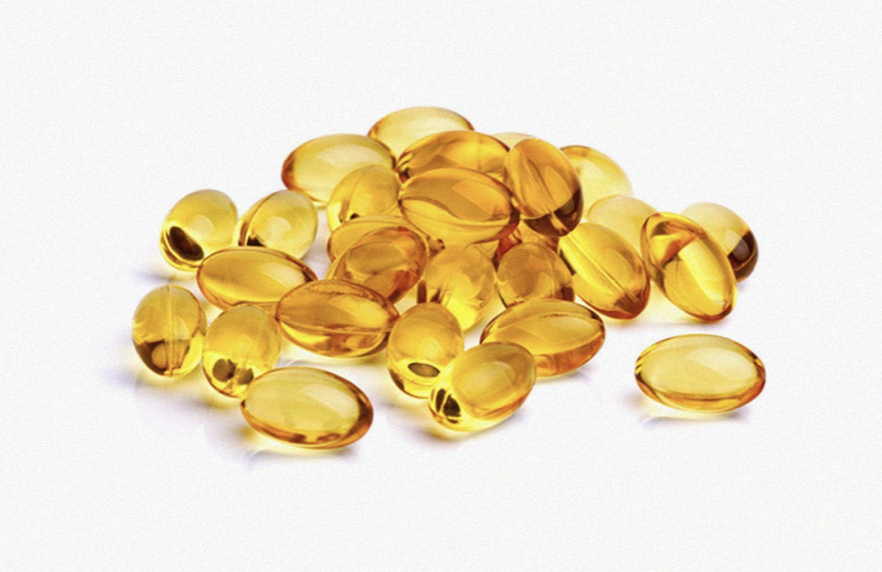
I don’t really understand why, but it seems the more people I talk to about fish oil and its benefits, the more people I encounter who don’t really see it as necessary. The truth is, fish oil isn’t snake oil, and its benefits are absolutely real. Fish oil contains a super high amount of Omega 3 oils, which is a natural anti-inflammatory that can really mean the difference between running a mile or being able to lay down five. It will help ease joint and muscle soreness, and is vital to the recovery process. Hell, even if you’re not in the gym or training for that half marathon you’ve been eyeing up, fish oil is excellent for your lungs, blood circulation and heart health. The largest issue people have is finding a reputable brand that isn’t cut with a bunch of other useless ingredients, but they’re definitely out there. Any way you slice it, this stuff is critical to your workout regimen. BUY HERE
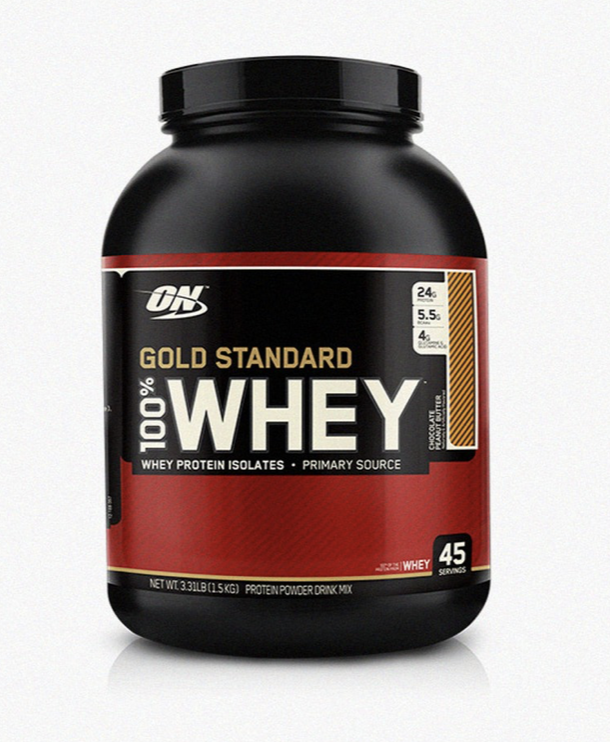
Protein powders are some of the most difficult supplements to discuss because everybody – seriously fucking everybody – has an opinion about them. There are literally hundreds of different brands, and every Instagram fitness model with over a thousand followers raves about this or that revolutionary brand. The fact is, different protein powders serve different purposes. There are some out there that are very lean and are only for people trying to stay lean while building lean muscle. There are some that contain massive amounts of calories and more grams of protein because they’re engineered for people who are trying to bulk and get Hulk-like. I won’t sit here and make a personal recommendation, but I will say that when you’re looking for a good protein powder, look to make sure it’s whey protein. Whey protein is one of the most tried and true supplements because it contains a higher level of Leucine (remember that amino acid from the BCAAs?), which you now know is directly responsible for muscle protein synthesis (AKA growth). As a base line, look for something that’s lower in calories, has very few ingredients, and is high in whey protein (anything in the 25 gram+ range per serving), and you won’t go wrong. Stay away from the sweet shit with sugar and all the other added nonsense.