
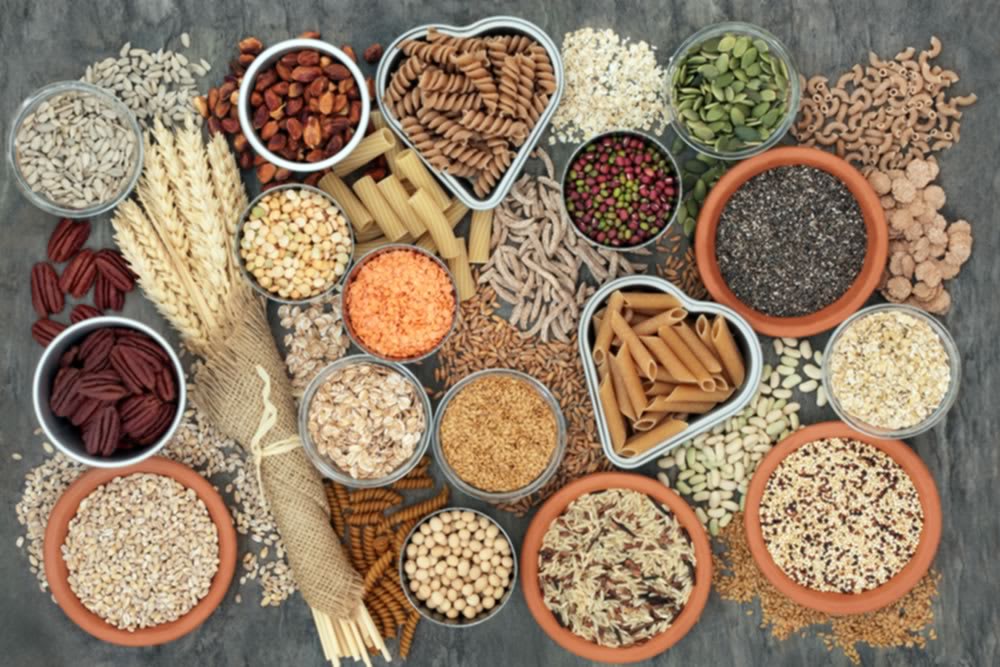
Carbohydrates are found in a wide array of both healthy and unhealthy foods—bread, beans, milk, popcorn, potatoes, cookies, spaghetti, soft drinks, corn, and cherry pie. They also come in a variety of forms. The most common and abundant forms are sugars, fibers, and starches. Foods high in carbohydrates are an important part of a healthy diet. Carbohydrates provide the body with glucose, which is converted to energy used to support bodily functions and physical activity. But carbohydrate quality is important; some types of carbohydrate-rich foods are better than others: The healthiest sources of carbohydrates—unprocessed or minimally processed whole grains, vegetables, fruits and beans—promote good health by delivering vitamins, minerals, fiber, and a host of important phytonutrients. Unhealthier sources of carbohydrates include white bread, pastries, sodas, and other highly processed or refined foods. These items contain easily digested carbohydrates that may contribute to weight gain, interfere with weight loss, and promote diabetes and heart disease.
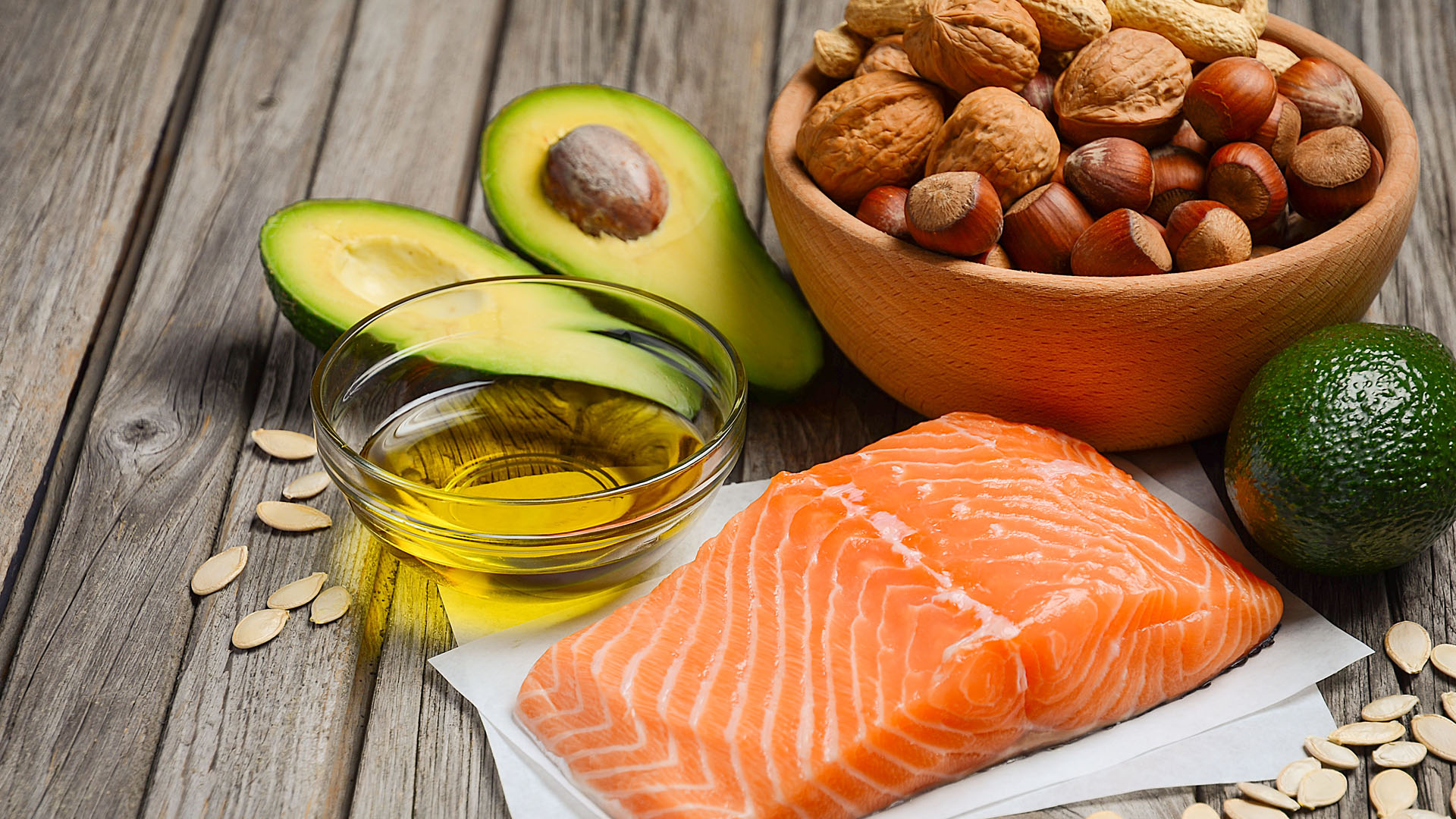
Fats are also called ‘fatty acids’ or ‘lipids.’ Fats in our body are made up of three molecules joined together. This three-molecule structure is called a “triglyceride”. Most of the fat we need is made by our bodies, but there are some fats our bodies cannot make. We can only get these fats by eating them. These fats are called “essential” fats because it is essential that we get them from food. Essential fats include Omega-3 fats (found in foods such as fish and flax seed) and Omega-6 fats (found in foods such as nuts, seeds, and corn oil).

In nutritional terms, protein is one of the three primary macronutrients our bodies need to survive. It is a "macro" nutrient because, like carbohydrates and fats, we consume a significant amount of it and use it for fuel. We need a comparatively small amount of vitamins and minerals every day, so they are referred to as "micronutrients.".It plays a role in virtually everything that goes on in your body. In your blood, it transports oxygen throughout your body. It builds and repairs tissue (including muscle tissue) and makes enzymes, hormones, and other body chemicals. It is also a fundamental building block of bones, cartilage, organs, skin, blood, hair, and nails. The antibodies our bodies use to ward off disease and infection are made of protein, as are the enzymes that read the genetic information in our DNA to make new molecules. Messenger protein molecules transmit signals between cells, tissue, and organs, and transport protein molecules carry atoms and small molecules throughout the body.
Minerals are those elements on the earth and in foods that our bodies need to develop and function normally. Those essential for health include calcium, phosphorus, potassium, sodium, chloride, magnesium, iron, zinc, iodine, chromium, copper, fluoride, molybdenum, manganese, and selenium.Your body uses minerals for many different jobs, including keeping your bones, muscles, heart, and brain working properly. Minerals are also important for making enzymes and hormones. There are two kinds of minerals: macrominerals and trace minerals. You need larger amounts of macrominerals.

Vitamins are substances that our bodies need to develop and function normally. They include vitamins A, C, D, E, and K, choline, and the B vitamins (thiamin, riboflavin, niacin, pantothenic acid, biotin, vitamin B6, vitamin B12, and folate/folic acid).